Don’t Flush the Signs Away: Understanding Chronic Diarrhoea on World Digestive Health Day
Today, May 29, marks World Digestive Health Day (WDHD) 2026. Spearheaded by the World Gastroenterology Organisation (WGO), this year’s global campaign focuses on a critical, yet frequently ignored topic: "Chronic Diarrhoea: Don't Flush the Signs Away."
As gastroenterologists, our mission this year is to break the stigma surrounding persistent bowel changes, educate our community on colon health, and empower patients to seek early medical evaluations.
If you or a loved one has been quietly dealing with ongoing digestive issues, this guide is for you.
When Does Diarrhoea Become "Chronic"?
An occasional upset stomach after a spicy meal or during a stressful week is perfectly normal. However, there is a distinct clinical line between a temporary bug and a chronic condition.
Clinical Definition: Diarrhoea is considered chronic when you experience loose, watery, or frequent stools lasting for four consecutive weeks or more.
When symptoms persist for this long, it is rarely just "something you ate." Instead, it is a sign that the delicate balance of your gastrointestinal tract or colon has been disrupted.
Common Underlying Causes of Chronic Diarrhoea
Chronic diarrhoea is not a disease in itself—it is a symptom of an underlying issue. A thorough gastroenterology evaluation helps us pinpoint the exact cause, which often falls into one of these categories:
• Irritable Bowel Syndrome (IBS): A common disorder affecting the large intestine, often triggered by stress, diet, or gut motility issues.
• Inflammatory Bowel Disease (IBD): Chronic inflammation of the digestive tract, which includes Crohn’s disease and Ulcerative Colitis.
• Celiac Disease & Food Intolerances: Immune reactions to gluten or difficulties digesting specific sugars (like lactose or fructose).
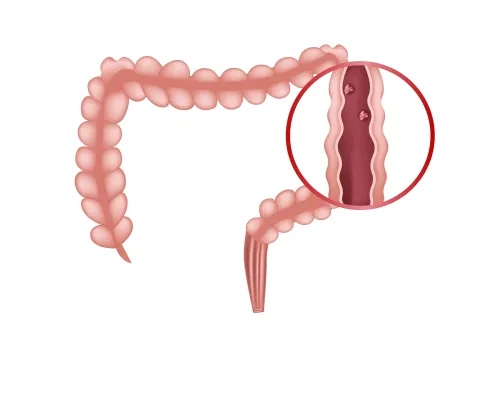
• Microscopic Colitis: An inflammation of the large intestine that can only be seen under a microscope.
• Chronic Infections: Persistent bacterial, parasitic, or viral infections that haven't cleared on their own.
• Malabsorption Disorders: Conditions where the small intestine cannot properly absorb nutrients, often linked to pancreatic or gallbladder issues.
"Red Flag" Symptoms: When to See a Doctor Immediately
While any persistent bowel change lasting over a month warrants a doctor's visit, certain "red flag" symptoms require urgent medical evaluation. Please do not wait if you experience:
1. Blood in your stool (either bright red or dark, tarry stools)
2. Unexplained or rapid weight loss
3. Severe, unrelenting abdominal pain or cramping
4. Diarrhoea that wakes you up from a sound sleep
5. A persistent high fever
6. Signs of dehydration, such as extreme thirst, dry mouth, or dark urine
Breaking the Stigma: What to Expect at Your Appointment
Many patients delay seeking help for months—sometimes years—purely out of embarrassment. We want to assure you: there is no room for stigma in healthcare.
Gastroenterologists discuss bowel habits every single day. Your digestive system is a complex, vital organ network, and taking care of it is just as normal as checking your blood pressure or cholesterol.
During your consultation, we will:
• Listen to your history and review your symptoms without judgment.
• Run targeted, non-invasive diagnostic tests (like blood tests or stool samples).
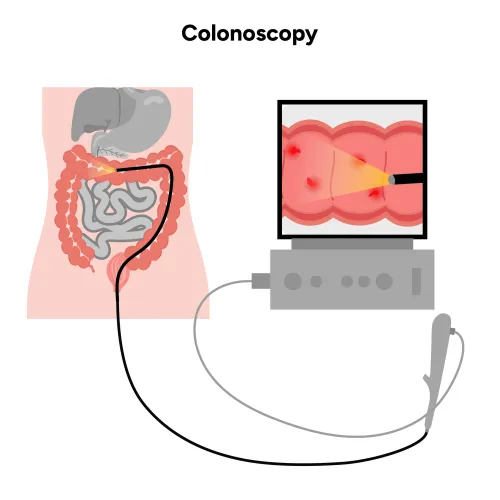
• If necessary, recommend advanced screening like a colonoscopy to directly evaluate your colon health.
• Create a personalized treatment plan—ranging from dietary modifications to advanced therapies—to give you your quality of life back.
Act for Your Colon Health Today
Your digestive health directly impacts your energy, immunity, mental health, and overall well-being. Don't suffer in silence, and don't flush the signs away.
Ready to prioritize your gut health?
Click here to schedule a consultation with our gastroenterology team today at
drpravishghurde.com
Keywords