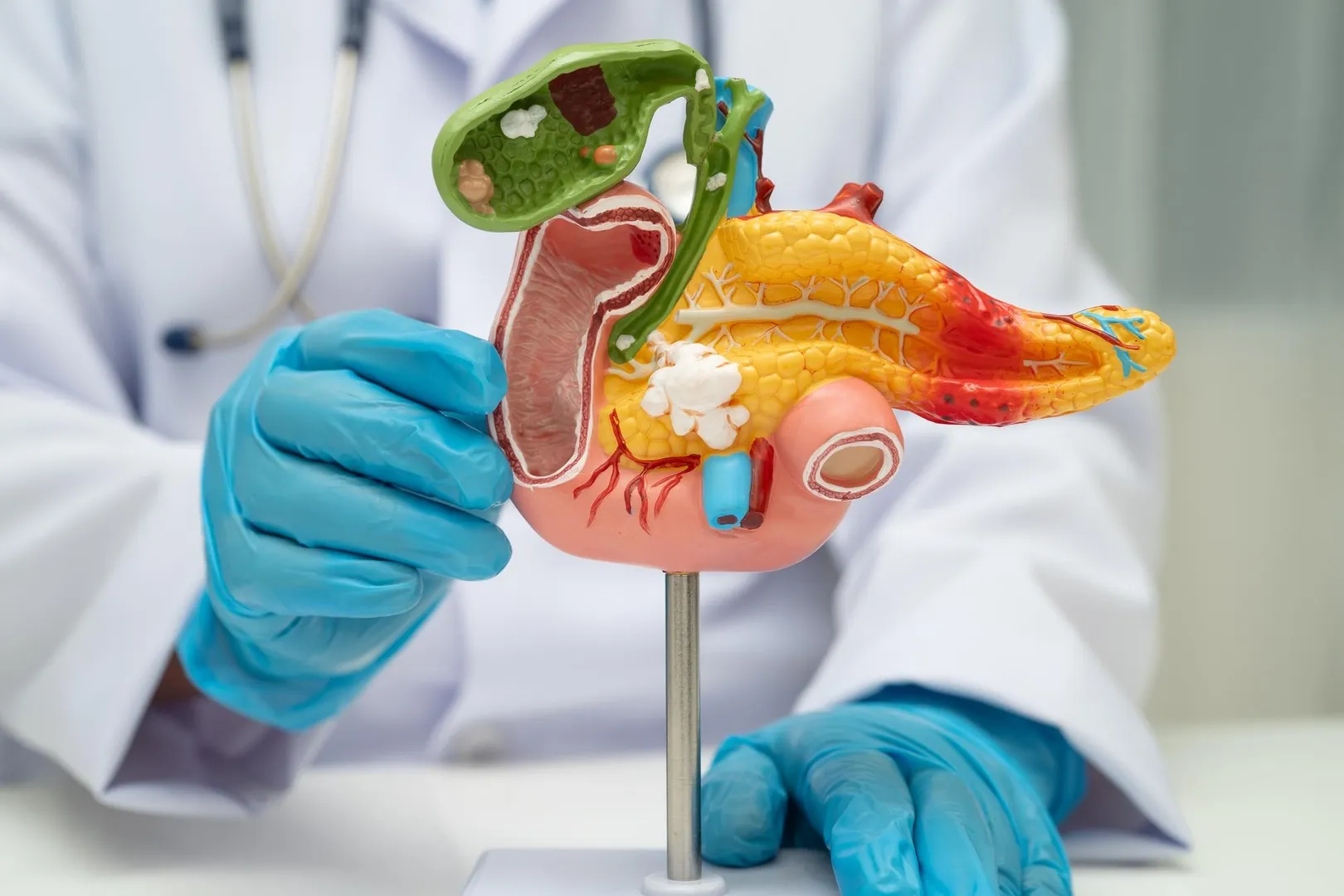
Severe upper abdominal pain that travels toward the back, particularly when accompanied by nausea or vomiting, can sometimes be associated with pancreatitis. Because the condition ranges from relatively mild inflammation to serious illness, evaluation by a Pancreatitis Treatment Specialist may be necessary to determine the cause, severity and appropriate management.
For patients in Mulund and neighbouring areas of Mumbai, recognising the symptoms of pancreatitis can help distinguish it from routine indigestion or acidity.
What Is Pancreatitis?
The pancreas is an organ involved in digestion and blood-glucose regulation. Pancreatitis means inflammation of the pancreas.
The condition may be acute, developing suddenly, or chronic, where repeated or persistent inflammation can produce longer-term structural and functional changes.
The causes and treatment approach can differ considerably between patients.
What Causes Acute Pancreatitis?
Gallstones and alcohol are among the recognised causes, but they are not the only possibilities.
Other causes can include very high triglyceride levels, certain medications and selected metabolic or structural conditions. In some cases, further investigation is required because the cause is not immediately apparent.
Identifying the cause is important because preventing another episode may depend on addressing the underlying trigger.
What Does Pancreatitis Pain Feel Like?
Acute pancreatitis often causes significant pain in the upper abdomen. The pain may extend toward the back and can be associated with nausea or vomiting.
However, abdominal pain has many possible causes. Symptoms alone cannot establish pancreatitis.
Diagnosis typically uses the clinical presentation together with blood tests and, when required, imaging.
Why Does Severity Assessment Matter?
Not every episode follows the same course.
Some patients improve with supportive treatment, while others can develop complications and require closer hospital monitoring or intervention.
Doctors therefore assess hydration, organ function, inflammatory response and imaging findings when relevant.
This is one reason why severe persistent abdominal pain should not be repeatedly treated at home without assessment.
Acute and Chronic Pancreatitis Require Different Thinking
Chronic pancreatitis can be associated with recurrent pain, digestive problems, weight loss and impaired pancreatic function.
Some patients may eventually develop difficulties digesting food because the pancreas does not produce sufficient digestive enzymes. Blood-glucose regulation can also be affected.
Management can therefore extend beyond pain control and may include nutritional assessment, enzyme replacement in selected patients, diabetes management and evaluation of structural complications.
When Are Endoscopic Procedures Considered?
Not every pancreatitis patient requires an endoscopic intervention.
Advanced imaging or procedures such as ERCP may be considered when there is a specific biliary or pancreatic duct indication. The choice depends on the underlying cause and clinical findings rather than pancreatitis alone.
Dr Pravish Ghurde Gastroenterologist evaluates pancreatic, biliary and gastrointestinal disorders and can determine when advanced endoscopic assessment is appropriate.
Symptoms That Need Prompt Medical Attention
Severe or persistent abdominal pain, repeated vomiting, fever, jaundice, faintness or significant deterioration in general condition should be medically assessed without unnecessary delay.
Patients with a previous pancreatitis episode should also seek evaluation if similar significant symptoms return.
For someone choosing a Pancreatitis Treatment Specialist in Mulund, Mumbai, the key consideration is whether the care process addresses three questions: Is this pancreatitis, how severe is it, and what caused it?
Treating the pain without investigating the cause can leave an important part of the problem unresolved. Identifying gallstones, metabolic factors, medication-related causes or other contributors can influence both immediate treatment and strategies intended to reduce the likelihood of another episode.
Keywords