Persistent diarrhoea, blood in the stool and recurring abdominal cramps should not automatically be attributed to infection, food intolerance or stress. In some patients, these symptoms may be related to inflammatory bowel disease. An Ulcerative Colitis & Crohn’s Disease Specialist can evaluate whether chronic intestinal inflammation is present and develop a plan for ongoing monitoring and treatment.
For patients in Thane, Maharashtra, understanding the difference between ulcerative colitis, Crohn's disease and temporary bowel disturbances is an important part of appropriate care.
Ulcerative Colitis and Crohn's Disease Are Not the Same
Both conditions belong to the inflammatory bowel disease or IBD group, but they affect the digestive tract differently.
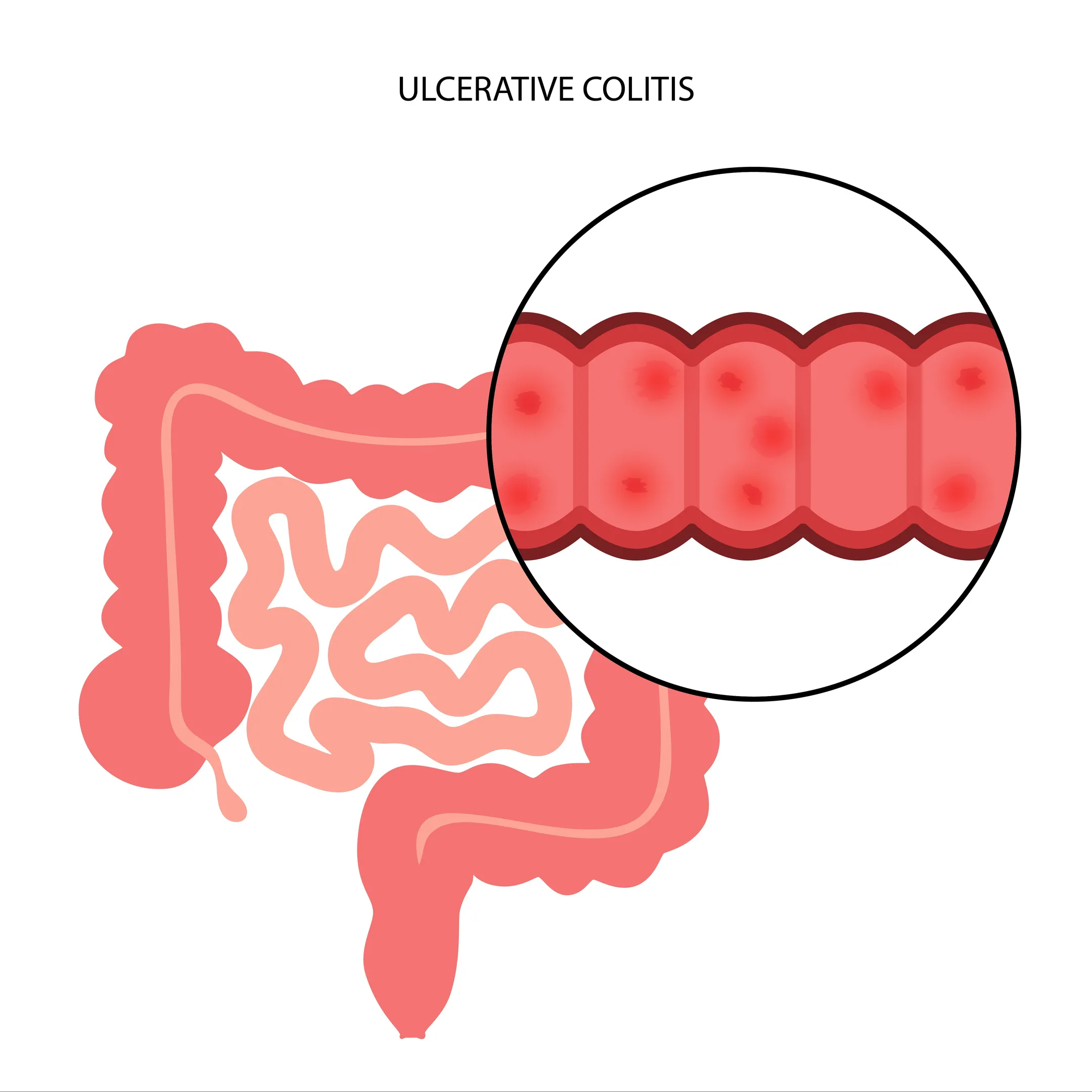
Ulcerative colitis affects the colon and involves inflammation of its inner lining.
Crohn's disease can affect different areas of the gastrointestinal tract and may involve deeper layers of the bowel wall.
These differences can influence symptoms, investigations, treatment choices and follow-up.
Which Symptoms Raise Suspicion of IBD?
Possible symptoms include:
- Persistent or recurrent diarrhoea
- Blood or mucus in the stool
- Abdominal pain or cramping
- Urgency to pass stool
- Unexplained weight loss
- Fatigue
- Anaemia
- Fever during active inflammation
Some patients can also develop symptoms outside the digestive system involving joints, skin, eyes or other organs.
These symptoms are not specific to IBD, so diagnosis requires proper evaluation.
Diagnosis Usually Requires More Than One Test
Blood and stool tests can provide evidence of inflammation, anaemia or infection, but they do not always establish the complete diagnosis.
Colonoscopy with appropriate biopsies is often important in evaluating suspected inflammatory bowel disease. Imaging may also be required, particularly when Crohn's disease involving the small intestine is suspected.
The objective is to identify the location and severity of inflammation before selecting treatment.
Treatment Is Based on Disease Activity and Risk
IBD treatment has evolved considerably and may involve different categories of medicines depending on the type, location and severity of disease.
A plan may include medicines that control inflammation, immune-modifying therapies or advanced targeted treatments in appropriate patients.
Treatment selection also takes into account previous response, complications and individual health factors.
Patients should not stop maintenance medicines simply because symptoms improve. Clinical symptoms and intestinal inflammation do not always move together.
Long-Term Monitoring Matters
IBD is generally managed as a long-term condition with periods of improvement and possible flare-ups.
Follow-up may assess symptoms, blood tests, stool inflammatory markers, nutrition and treatment safety. Repeat endoscopic or imaging assessment may be recommended depending on the clinical situation.
Long-standing colonic inflammation can also influence colorectal cancer surveillance recommendations.
Recognising a Possible Flare
Increasing stool frequency, renewed bleeding, worsening abdominal pain, fever or weight loss can indicate increasing disease activity, although infection and other causes must sometimes be excluded.
Severe abdominal pain, marked bleeding, dehydration or significant deterioration requires prompt medical attention.
Dr Pravish Ghurde Gastroenterologist evaluates inflammatory bowel conditions and can coordinate diagnostic assessment, endoscopy and ongoing gastrointestinal management.
For patients seeking an Ulcerative Colitis & Crohn’s Disease Specialist in Thane, provider selection should focus on continuity of care rather than a single consultation. IBD management may require adjustments over time as disease activity, test findings and treatment response change.
The objective is not merely to control diarrhoea for a few days. Effective care aims to assess intestinal inflammation, manage symptoms, monitor treatment and identify complications early enough for appropriate intervention.
Keywords