In this comprehensive guide, we cover everything you need to know about gastroscopy—from preparation and precautions to recovery.
What Is a Gastroscopy?
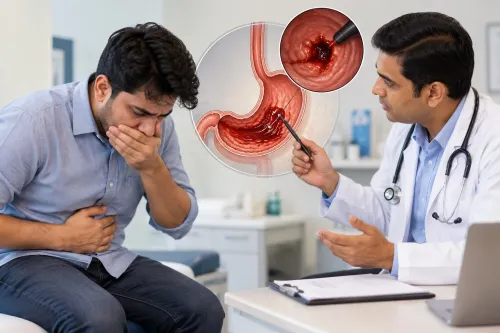
A gastroscopy is a safe, routine, and minimally invasive medical procedure used to examine the upper part of your digestive system.
During the test, a gastroenterologist uses a thin, flexible, lighted tube with a tiny high-definition camera at its tip to visually examine:
• Esophagus: The food pipe connecting your throat to your stomach.
• Stomach: The organ where food is mixed with stomach acid and broken down.
• Duodenum: The first section of the small intestine.
When Is a Gastroscopy Recommended?
Common indications include:
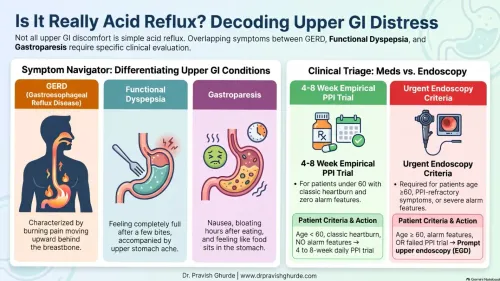
• Persistent Heartburn or Acid Reflux (GERD): Severe or chronic burning sensations unresponsive to standard medications.
• Difficulty or Painful Swallowing (Dysphagia): Feeling like food is getting stuck in your throat or chest.
• Chronic Nausea or Vomiting: Unexplained, ongoing nausea or recurrent vomiting.
• Upper Abdominal Pain: Persistent discomfort, burning, or pain in the upper abdomen.
• Unexplained Anaemia or Blood Loss: Low haemoglobin levels or dark, tarry stools.
• Unintentional Weight Loss: Sudden, unexplained loss of weight accompanied by loss of appetite.
How to Prepare for a Gastroscopy?
1. Fasting Guidelines
• No Solid Food: You must fast (no food or milk) for 6 to 8 hours before the procedure. An empty stomach ensures the doctor has a clear view and prevents vomiting during sedation.
• Clear Liquids: You may be allowed small sips of water up to 2 to 4 hours before the procedure, depending on specific clinical guidelines provided by your doctor.
2. Medical History & Allergies
Inform your medical team beforehand about:
• Any history of drug allergies or reactions to sedation.
• Pre-existing heart, lung, or kidney conditions.
• Pregnancy or suspected pregnancy.
3. Arrange an Escort / Ride Home
Because mild sedation is administered during the procedure to keep you comfortable, you will not be allowed to drive home afterward. Please arrange for a family member or friend to accompany you.
Medication Precautions
Certain medications require special management prior to a gastroscopy:
• 🩸 Blood Thinners / Antiplatelets: Medications such as Aspirin, Clopidogrel, Warfarin, or Direct Oral Anticoagulants may need to be paused temporarily prior to the procedure.
• 💉 Diabetes Medications: Since you will be fasting, your insulin or oral anti-diabetic dosage will need adjustment to prevent hypoglycemia.
• 🩺 Blood Pressure Medications: In most cases, blood pressure medications can be taken early in the morning with a small sip of water. Confirm exact timings with your care team.
• Do not stop any medication without explicit guidance from your physician.
What Happens During the Procedure?
A gastroscopy is a quick procedure that usually takes only 10 to 15 minutes. Here is what you can expect in the procedure room:
1. Comfort & Sedation: A local anaesthetic spray is applied to numb the back of your throat to minimize the gag reflex. A mild intravenous sedative is usually given to help you relax and feel sleepy.
2. Insertion of the Endoscope: A small mouthguard is placed to protect your teeth. The doctor gently guides the flexible endoscope down your esophagus, stomach, and duodenum.
3. Examination & Biopsy: The doctor inspects the inner lining carefully. If necessary, biopsies can be taken for laboratory testing, or minor interventions can be performed.
Post-Procedure Recovery
• Short Rest Period: You will stay in the recovery area for 30 to 60 minutes until the sedative effect wears off and rest for 24 hours post-sedation at home.
• Mild Symptoms: A light sore throat, tickle, or mild abdominal bloating is normal and typically resolves within a few hours.
• Eating & Drinking: You can usually start drinking water and eating light, soft foods once your throat numbing wears off and your swallowing reflex returns to normal.
When to Seek Immediate Medical Attention 🚨
Gastroscopy is very safe, but contact your doctor immediately if you experience these warning signs:
• Severe, worsening abdominal pain or chest pain.
• Vomiting blood or material that looks like dark coffee grounds.
• Black, tarry, or bloody stools.
• High fever or chills.
• Difficulty swallowing or severe shortness of breath.
Key Takeaways
• A gastroscopy is a routine, 10-to-15-minute diagnostic test for upper GI conditions.
• Fasting for 6 to 8 hours before the test is mandatory.
• Always inform your healthcare provider about blood thinners or diabetes medications well in advance.
• Arrange for someone to drive you home after the procedure.
Consultation
If you are experiencing persistent digestive issues, acid reflux, or abdominal discomfort, timely medical evaluation can help ensure accurate diagnosis and relief.
📲 Have questions or need to schedule an appointment?
Visit www.drpravishghurde.com to book a consultation or learn more about upper GI health care.
What Is a Gastroscopy?
A gastroscopy is a safe, routine, and minimally invasive medical procedure used to examine the upper part of your digestive system.
During the test, a gastroenterologist uses a thin, flexible, lighted tube with a tiny high-definition camera at its tip to visually examine:
• Esophagus: The food pipe connecting your throat to your stomach.
• Stomach: The organ where food is mixed with stomach acid and broken down.
• Duodenum: The first section of the small intestine.
When Is a Gastroscopy Recommended?
Common indications include:
• Persistent Heartburn or Acid Reflux (GERD): Severe or chronic burning sensations unresponsive to standard medications.
• Difficulty or Painful Swallowing (Dysphagia): Feeling like food is getting stuck in your throat or chest.
• Chronic Nausea or Vomiting: Unexplained, ongoing nausea or recurrent vomiting.
• Upper Abdominal Pain: Persistent discomfort, burning, or pain in the upper abdomen.
• Unexplained Anaemia or Blood Loss: Low haemoglobin levels or dark, tarry stools.
• Unintentional Weight Loss: Sudden, unexplained loss of weight accompanied by loss of appetite.
How to Prepare for a Gastroscopy?
1. Fasting Guidelines
• No Solid Food: You must fast (no food or milk) for 6 to 8 hours before the procedure. An empty stomach ensures the doctor has a clear view and prevents vomiting during sedation.
• Clear Liquids: You may be allowed small sips of water up to 2 to 4 hours before the procedure, depending on specific clinical guidelines provided by your doctor.
2. Medical History & Allergies
Inform your medical team beforehand about:
• Any history of drug allergies or reactions to sedation.
• Pre-existing heart, lung, or kidney conditions.
• Pregnancy or suspected pregnancy.
3. Arrange an Escort / Ride Home
Because mild sedation is administered during the procedure to keep you comfortable, you will not be allowed to drive home afterward. Please arrange for a family member or friend to accompany you.
Medication Precautions
Certain medications require special management prior to a gastroscopy:
• 🩸 Blood Thinners / Antiplatelets: Medications such as Aspirin, Clopidogrel, Warfarin, or Direct Oral Anticoagulants may need to be paused temporarily prior to the procedure.
• 💉 Diabetes Medications: Since you will be fasting, your insulin or oral anti-diabetic dosage will need adjustment to prevent hypoglycemia.
• 🩺 Blood Pressure Medications: In most cases, blood pressure medications can be taken early in the morning with a small sip of water. Confirm exact timings with your care team.
• Do not stop any medication without explicit guidance from your physician.
What Happens During the Procedure?
A gastroscopy is a quick procedure that usually takes only 10 to 15 minutes. Here is what you can expect in the procedure room:
1. Comfort & Sedation: A local anaesthetic spray is applied to numb the back of your throat to minimize the gag reflex. A mild intravenous sedative is usually given to help you relax and feel sleepy.
2. Insertion of the Endoscope: A small mouthguard is placed to protect your teeth. The doctor gently guides the flexible endoscope down your esophagus, stomach, and duodenum.
3. Examination & Biopsy: The doctor inspects the inner lining carefully. If necessary, biopsies can be taken for laboratory testing, or minor interventions can be performed.
Post-Procedure Recovery
• Short Rest Period: You will stay in the recovery area for 30 to 60 minutes until the sedative effect wears off and rest for 24 hours post-sedation at home.
• Mild Symptoms: A light sore throat, tickle, or mild abdominal bloating is normal and typically resolves within a few hours.
• Eating & Drinking: You can usually start drinking water and eating light, soft foods once your throat numbing wears off and your swallowing reflex returns to normal.
When to Seek Immediate Medical Attention 🚨
Gastroscopy is very safe, but contact your doctor immediately if you experience these warning signs:
• Severe, worsening abdominal pain or chest pain.
• Vomiting blood or material that looks like dark coffee grounds.
• Black, tarry, or bloody stools.
• High fever or chills.
• Difficulty swallowing or severe shortness of breath.
Key Takeaways
• A gastroscopy is a routine, 10-to-15-minute diagnostic test for upper GI conditions.
• Fasting for 6 to 8 hours before the test is mandatory.
• Always inform your healthcare provider about blood thinners or diabetes medications well in advance.
• Arrange for someone to drive you home after the procedure.
Consultation
If you are experiencing persistent digestive issues, acid reflux, or abdominal discomfort, timely medical evaluation can help ensure accurate diagnosis and relief.
📲 Have questions or need to schedule an appointment?
Visit www.drpravishghurde.com to book a consultation or learn more about upper GI health care.
Keywords