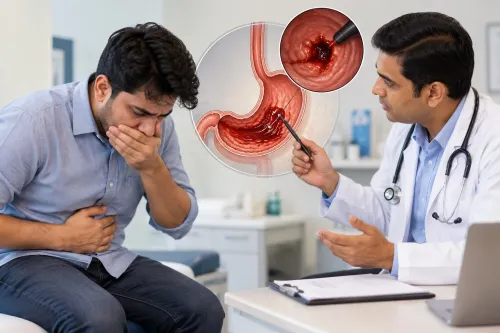
An abnormal liver blood test can be worrying, especially when there are no obvious symptoms. It is important to understand that an abnormal result does not by itself identify a specific liver disease. A Liver Disease Specialist interprets the pattern of abnormalities together with medical history, medicines, metabolic risk factors, imaging and other investigations.
For patients in Thane, Mumbai, this distinction can prevent both unnecessary alarm and inappropriate neglect of persistent abnormalities.
What Do Liver Blood Tests Measure?
The commonly ordered 'liver function test' is actually a group of blood measurements.
These may include enzymes and other markers such as ALT, AST, alkaline phosphatase, bilirubin, albumin and additional parameters depending on the laboratory and clinical situation.
Different patterns can suggest different types of liver or biliary problems, but the numbers require interpretation in context.
Why Can Liver Tests Become Abnormal?
There is no single explanation.
Potential causes can include:
- Metabolic dysfunction associated with fatty liver
- Viral hepatitis
- Alcohol-related liver injury
- Medication-related effects
- Bile duct obstruction
- Autoimmune liver conditions
- Other metabolic or inherited disorders
Even non-liver factors can sometimes influence individual laboratory values.
This is why interpreting one abnormal number without considering the complete clinical picture can be misleading.
Fatty Liver Is Common but Should Be Assessed Properly
Fat accumulation in the liver is frequently identified during ultrasound examination.
It is often associated with metabolic factors such as excess body weight, type 2 diabetes, abnormal cholesterol or triglycerides and other cardiometabolic risks.
The key clinical issue is not simply whether fat is visible on an ultrasound. The more important question is whether there is evidence suggesting liver inflammation or fibrosis and what the patient's overall risk profile looks like.
What Information Helps During a Liver Consultation?
Patients can make their appointment more productive by bringing previous liver tests and imaging reports.
The doctor may also ask about:
- Current and previous medicines
- Herbal or nutritional supplements
- Alcohol exposure
- Diabetes and cholesterol
- Body-weight changes
- Previous hepatitis testing
- Family history of liver disease
- Previous episodes of jaundice
These details help determine which additional investigations are genuinely necessary.
When Might Further Testing Be Recommended?
The next step depends on the suspected cause.
Additional blood tests, ultrasound or methods used to assess liver stiffness may be considered. CT, MRI or other specialised investigations are appropriate in selected situations.
Not every patient requires an extensive battery of tests. Investigation should be directed by the clinical findings.
Symptoms That Need Timely Assessment
Some liver diseases remain relatively silent until they become advanced, which is why persistent abnormal test results deserve evaluation even when a patient feels well.
Prompt assessment is particularly important when abnormalities occur with jaundice, abdominal swelling, confusion, gastrointestinal bleeding, persistent vomiting or significant deterioration in general health.
Dr Pravish Ghurde Gastroenterologist evaluates liver and gastrointestinal disorders and can correlate laboratory abnormalities with clinical and imaging findings.
Look Beyond a Single Laboratory Number
For someone searching for a Liver Disease Specialist in Thane, the value of consultation lies in establishing why the tests are abnormal and whether the liver requires monitoring, treatment or further assessment.
Mumbai patients frequently encounter terms such as fatty liver or elevated liver enzymes on routine health reports. Neither should be interpreted in isolation.
A structured liver assessment considers the cause, the degree of risk and evidence of possible liver damage. That provides far more useful information than repeatedly checking laboratory numbers without understanding what is driving them.
Keywords