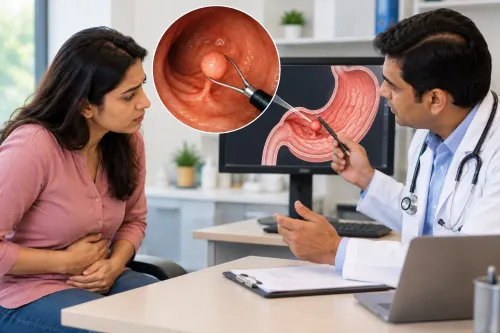
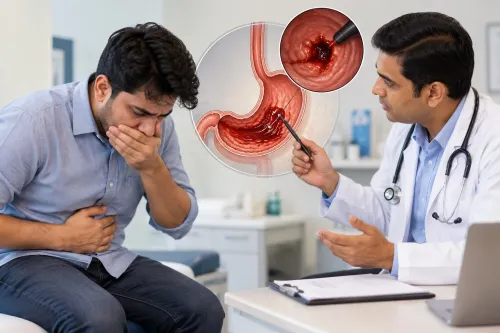
Being advised to undergo gastroscopy can create uncertainty, particularly for someone having the procedure for the first time. Understanding what the test examines, why it has been recommended and how preparation works can make the process easier to approach. An Advanced Gastroscopy Specialist uses upper gastrointestinal endoscopy to directly examine areas that cannot be fully assessed through symptoms alone.
For patients in Mulund, Mumbai, gastroscopy may form part of the evaluation of persistent upper digestive symptoms or specific warning signs.
What Does Gastroscopy Examine?
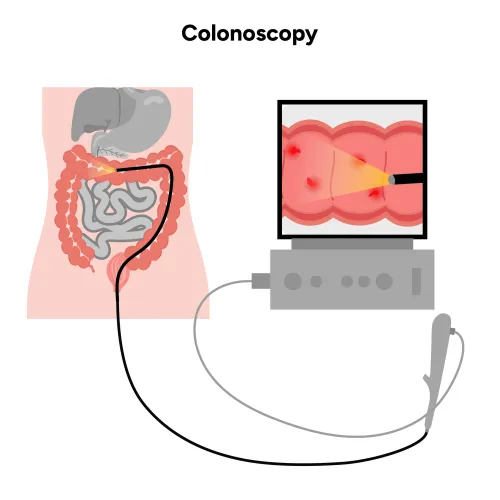
Gastroscopy, also called upper GI endoscopy, uses a thin flexible endoscope with a camera to examine the upper digestive tract.
It allows assessment of the:
- Oesophagus
- Stomach
- Duodenum
Depending on the findings and clinical indication, the procedure can help identify inflammation, ulcers, narrowing, bleeding sources and other abnormalities. Biopsy samples may also be taken when necessary.
When Is Gastroscopy Considered?
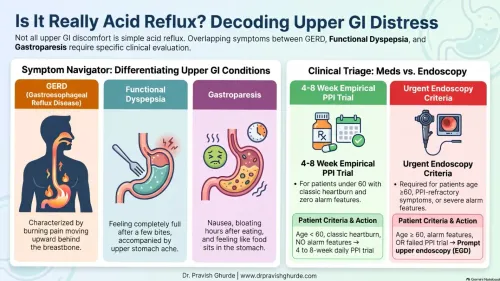
Not every episode of acidity or indigestion requires endoscopy.
A doctor may consider gastroscopy when symptoms are persistent, unexplained or associated with findings that require closer assessment.
Reasons can include swallowing difficulty, suspected gastrointestinal bleeding, recurrent vomiting, persistent upper abdominal symptoms, unexplained anaemia or other concerns identified during clinical evaluation.
What Should You Tell the Doctor Before the Procedure?
A safe procedure begins before entering the endoscopy room.
Patients should provide information about:
- Current prescription medicines
- Blood-thinning or antiplatelet medication
- Diabetes medicines
- Drug allergies
- Previous reactions to sedation
- Significant heart or lung conditions
- Previous gastrointestinal procedures
- Pregnancy where relevant
Medicines should not be stopped independently. The endoscopy team can provide individual instructions when medication adjustment is required.
Why Is Fasting Necessary?
The stomach generally needs to be empty before upper gastrointestinal endoscopy. This improves visualisation and reduces procedural risks.
The exact fasting instructions should come from the treating team because they may vary according to the procedure, timing and individual medical circumstances.
Following those instructions accurately is an important part of preparation.
What Happens During Gastroscopy?
The patient is positioned appropriately and the endoscope is carefully passed through the mouth into the upper digestive tract.
Local throat anaesthesia and/or sedation may be used depending on the planned approach and patient factors. The doctor examines the lining of the oesophagus, stomach and duodenum and records relevant findings.
If a biopsy is clinically required, a small tissue sample can be collected through the endoscope.
Questions Worth Asking Beforehand
Before undergoing gastroscopy, patients can ask:
- Why is this procedure recommended for my symptoms?
- How should I prepare?
- What should I do with my regular medicines?
- Will sedation be used?
- Will I need someone to accompany me?
- When will the findings be discussed?
- Could a biopsy be required?
These questions help patients understand both the procedure and the practical arrangements surrounding it.
Choosing Appropriate Endoscopy Care
Dr Pravish Ghurde Gastroenterologist provides assessment for upper gastrointestinal conditions and gastroscopy when clinically indicated for patients in Mumbai and surrounding areas.
When looking for an Advanced Gastroscopy Specialist in Mulund, patients should consider more than access to the procedure itself. Appropriate patient selection, preparation, explanation of findings and follow-up planning are equally important components of endoscopic care.
Gastroscopy is a diagnostic tool rather than a treatment for every digestive complaint. Its greatest value comes when it is used for a clear clinical reason and interpreted alongside the patient's symptoms, medical history and other investigations.
Keywords