🧩 Navigating the Diagnostic Path
The journey from feeling that "something is wrong" to a formal diagnosis can be confusing, long, and isolating. Understanding the correct steps is crucial. Don't self-diagnose by going gluten-free first!
Here is the simple, step-by-step diagnostic process—the medical gold standards:
1️⃣ STEP 1: Serology (Blood Screening)
This is your first entry point. Doctors will order a specific celiac blood panel (including the standard tTG-IgA test, IgA DGP Antibodies). This looks for high levels of specific antibodies your body produces in response to gluten. Crucial: You must keep eating gluten before this test.
2️⃣ STEP 2: Biopsy (The Gold Standard)
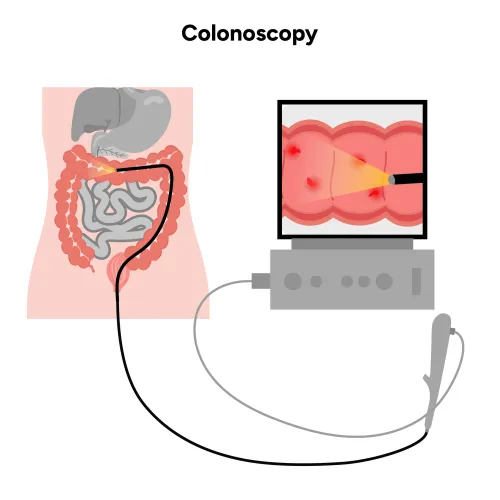
If your blood tests are positive (or sometimes if they are negative but symptoms persist), a gastroenterologist will perform an endoscopy. A tiny tissue sample (biopsy) is taken from the small intestine to check for the defining sign of celiac disease: villous atrophy (damage to the lining of the gut). This is the definitive confirmation.
3️⃣ STEP 3: Consultation (Management Plan)
Once all the tests are back, you will have a detailed consultation with your healthcare team. Your specialist will confirm your diagnosis, review the extent of damage, and help you create a personalized, lifelong management plan. This is where you learn how to go #BeyondGluten safely.
Let's make every diagnosis journey clearer and more empowering!
Keywords