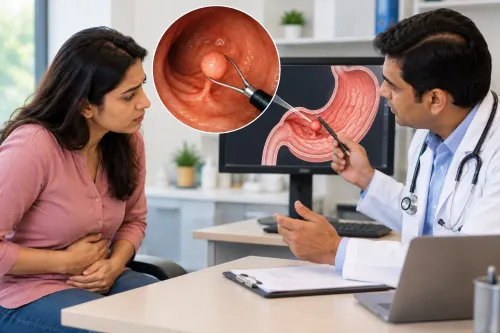
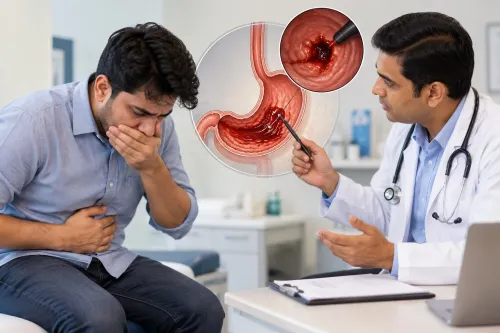
A recommendation for colonoscopy often raises two immediate questions: why is the test necessary, and what might it find? A Colonoscopy Specialist uses the procedure to examine the large intestine directly when symptoms, screening considerations or previous findings justify closer evaluation.
For people in Thane, Mumbai, understanding the reason for colonoscopy is an important part of making an informed decision about the procedure.
What Can a Colonoscopy Examine?
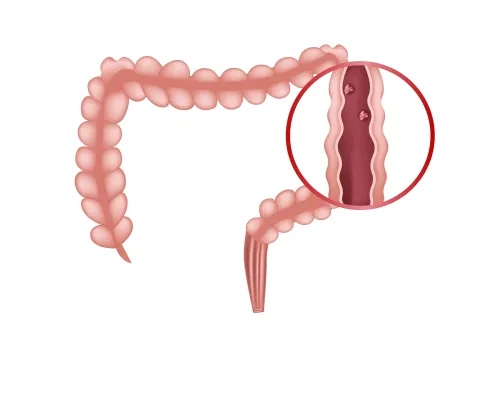
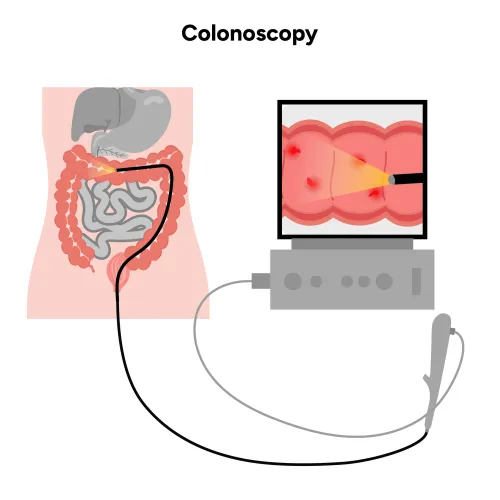
Colonoscopy uses a flexible camera-equipped instrument to examine the lining of the colon.
It can help investigate abnormalities such as inflammation, bleeding sources, polyps and other changes. Tissue samples or biopsies can be obtained when necessary, and certain polyps may be removed during the procedure depending on clinical circumstances.
Symptoms That May Lead to Colonoscopy
A colonoscopy is not required for every episode of constipation, diarrhoea or abdominal discomfort. It may be considered when symptoms persist or when specific clinical concerns are present.
Examples include:
- Blood in the stool
- Unexplained iron-deficiency anaemia
- Persistent change in bowel habits
- Chronic unexplained diarrhoea
- Certain patterns of abdominal symptoms
- Suspected inflammatory bowel disease
- Follow-up of previous polyps
- Relevant family or personal medical history
The decision depends on age, symptoms, risk factors and previous investigations.
Colonoscopy Can Also Have a Preventive Role
Some people undergo colonoscopy even without digestive symptoms because colorectal cancer screening can identify precancerous polyps or cancer at an earlier stage.
Screening recommendations are not identical for everyone. Age, family history, previous polyps, inflammatory bowel disease and other risk factors can influence when and how screening is considered.
A specialist can advise whether colonoscopy is appropriate for an individual's circumstances.
Bowel Preparation Is Essential
One of the most important parts of colonoscopy happens before the procedure.
The colon must be sufficiently clean for the doctor to inspect its lining. Patients are therefore given bowel-preparation instructions involving diet and prescribed laxative preparations.
Incomplete preparation can reduce visibility and may occasionally mean that an examination needs to be repeated.
Following the instructions exactly is therefore more than a convenience; it directly affects the quality of the examination.
What Should Patients Discuss Before Colonoscopy?
Inform the treating team about all regular medicines and medical conditions.
Particular attention may be needed for blood-thinning medicines, diabetes treatment and certain other medications. Patients should never discontinue prescribed medication without specific medical instructions.
It is also useful to discuss previous reactions to sedation and any relevant heart, lung or kidney conditions.
What Happens After the Procedure?
After colonoscopy, the doctor can explain the visual findings and whether biopsies or polyps were obtained.
If sedation was used, patients generally receive specific instructions about activities such as driving and may need an accompanying adult. Follow the endoscopy unit's discharge advice carefully.
Pathology results from tissue samples usually require separate follow-up.
Selecting Colonoscopy Care in Thane
Dr Pravish Ghurde Gastroenterologist evaluates gastrointestinal symptoms and performs or recommends colonoscopic assessment when medically appropriate.
When choosing a Colonoscopy Specialist, patients should look for a process that includes appropriate assessment before the test, clear bowel-preparation guidance, careful procedural evaluation and understandable follow-up after findings are available.
For patients across Thane and other parts of Mumbai, colonoscopy should not be viewed simply as a camera test. It is one component of a broader diagnostic and preventive approach in which the patient's symptoms, risk factors and medical history determine when the procedure is likely to provide meaningful clinical information.
Keywords