Persistent digestive changes become more concerning when they occur alongside weight loss, fatigue, anaemia or signs of vitamin and mineral deficiency. By the end, you will know which symptom patterns fit malabsorption, which common conditions can look similar, when to seek urgent care and how to prepare for a specialist assessment.
Key takeaways
- Persistent greasy, bulky stools deserve medical assessment.
- Malabsorption can cause weight loss and vitamin or mineral deficiencies.
- Blood in stool, severe pain, or dehydration requires urgent medical care.
- Bring symptom details, diet history, medicines, and prior test results.
Which digestive symptoms point toward malabsorption?
Malabsorption is a mechanism, not one single disease: nutrients are not being digested, absorbed, or transported properly. Diarrhoea alone does not establish it. The more suggestive pattern is chronic diarrhoea with bulky stools or greasy stools that float or are difficult to flush.
| Digestive or body change | Why it raises concern | Important limitation |
|---|---|---|
| Pale, foul-smelling, bulky or greasy stools | Excess fat in stool can point toward impaired fat digestion or absorption | Stool appearance is a clue, not a diagnosis |
| Bloating, abdominal cramps and excessive gas | These symptoms can accompany poor digestion or absorption | They also occur with lactose intolerance, infection and irritable bowel syndrome |
| Weight loss, reduced muscle mass, fatigue or weakness | The concern is greater when these occur despite a reasonably adequate food intake | A normal basic blood panel does not exclude early or intermittent disease |
Malabsorption can occur without dramatic diarrhoea, so the absence of frequent loose stools does not rule it out. Persistent symptoms together with unexplained weight loss or declining muscle mass deserve assessment, especially when you are eating reasonably well but remain tired or weak.
One unusual bowel movement cannot confirm or exclude malabsorption. Foods, medicines and temporary infections can change stool colour, smell and texture; recurring greasy or bulky stools are more meaningful than a single episode. These malabsorption symptoms need interpretation alongside your weight, diet, examination and test results.
What nutrient deficiencies can malabsorption cause?
Iron-deficiency anaemia can cause persistent tiredness, weakness, breathlessness or reduced exercise tolerance. It deserves further assessment when it does not improve as expected with iron treatment, especially alongside digestive symptoms or weight loss.
- Vitamin B12 deficiency: anaemia, unusual tiredness, numbness or tingling in the hands and feet, poor coordination or balance problems.
- Vitamin K deficiency: easy bruising, nosebleeds, bleeding gums or prolonged bleeding from small cuts.
- Vitamin D deficiency: bone pain, muscle weakness, low bone density or fractures after minor injuries.
- Calcium or magnesium deficiency: muscle cramps, twitching, tingling or numbness around the mouth or in the limbs.
- Low protein or albumin: swelling in the ankles, legs or abdomen. This is not simple indigestion and needs medical assessment.
- Vitamins A and E: deficiency can contribute to night-vision or other visual problems, nerve symptoms, muscle weakness and other neurologic problems.
Malabsorption can show itself outside the gut. Low bone density, infertility, neurologic symptoms, or an itchy blistering rash called dermatitis herpetiformis can be clues to an underlying condition such as coeliac disease, even without dramatic diarrhoea. Arrange a clinical assessment if several deficiencies appear together, or if anaemia persists despite appropriate iron.
Which conditions can look like malabsorption?
Lactose intolerance causes bloating, cramps, gas or diarrhoea after milk, ice cream or other lactose-containing foods. It does not automatically mean generalised malabsorption; broad weight loss, anaemia or several nutrient deficiencies need separate evaluation.
Malabsorption causes include celiac disease, Crohn’s disease, chronic pancreatitis, pancreatic exocrine insufficiency, small-intestinal bacterial overgrowth, intestinal surgery and certain medicines. Several common conditions can produce similar bowel symptoms:
| Condition | Pattern that can resemble malabsorption | Important distinction |
|---|---|---|
| Lactose intolerance | Gas, cramps and diarrhoea after dairy | Symptoms follow lactose exposure; it does not explain multiple deficiencies by itself |
| Irritable bowel syndrome | Bloating, pain and altered stools | Weight loss, anaemia or deficiencies require another explanation |
| Infection | Sudden diarrhoea, cramps and sometimes fever | Persistent or recurrent symptoms need testing |
| Inflammatory bowel disease | Diarrhoea, pain, fatigue and weight loss | Blood, raised inflammation or Crohn’s disease requires medical assessment |
| Hyperthyroidism | Frequent stools, weight loss and palpitations | Thyroid testing helps separate it from intestinal disease |
| Pancreatic insufficiency | Greasy stools, bloating, weight loss and fat-soluble vitamin deficiencies | Fecal elastase can help, but watery stool may dilute the sample and produce a falsely low result |
Do not start a gluten-free diet before celiac testing unless a clinician tells you to. Removing gluten can make blood tests and small-bowel biopsy findings falsely reassuring, so testing is most reliable while you are still eating gluten. A clinician must interpret the symptom pattern and results together.
When do symptoms require a gastroenterology appointment or urgent care?
Arrange a routine gastroenterology appointment if diarrhoea lasts two to four weeks or longer, or returns repeatedly. Recurring symptoms deserve review even when basic blood results are normal; early, intermittent or mechanism-specific disease can escape a basic panel.
Arrange an appointment when you have:
- Recurrent greasy stools, persistent unintentional weight loss, or weight loss despite eating normally
- Ongoing anaemia without an identified cause, low albumin, or abnormal nutritional markers
- Diarrhoea that wakes you at night
- A family history of celiac disease, inflammatory bowel disease or colorectal cancer
Do not wait for a routine appointment if you develop black stools and blood in stool, severe or worsening abdominal pain, repeated vomiting, or inability to keep fluids down. Seek urgent medical care for severe dehydration, fainting, confusion, high fever or rapid deterioration. These signs can indicate significant bleeding, infection, obstruction or another acute illness.
Use the timing and pattern to guide your decision. One greasy stool or a short-lived episode after an infection is less concerning than symptoms that recur, disturb sleep or cause nutritional decline.
Swelling of the legs or abdomen also needs assessment, particularly with weight loss or fatigue, because it can reflect protein loss rather than simple indigestion.
How should you prepare for a malabsorption evaluation?
Bring a seven-day record to your appointment. It gives the clinician a pattern to work with instead of relying on memory during malabsorption diagnosis.
- Record stool frequency and appearance, including whether stools are bulky, greasy, pale, floating or difficult to flush.
- Note when symptoms began, weight changes, food triggers and whether diarrhoea or pain wakes you at night.
- Write down prior bowel surgery, family history of celiac disease, inflammatory bowel disease or colorectal cancer, and every medicine and supplement, including occasional products.
Testing follows the suspected mechanism, not one universal test. Initial blood work can include a complete blood count, iron studies, vitamin B12, folate, calcium, albumin and liver tests, followed by targeted stool tests.
Celiac serology uses tissue-transglutaminase IgA with total IgA while you are still eating gluten; IgG-based celiac tests are used when IgA deficiency is present. Do not start a gluten-free diet before testing unless instructed.
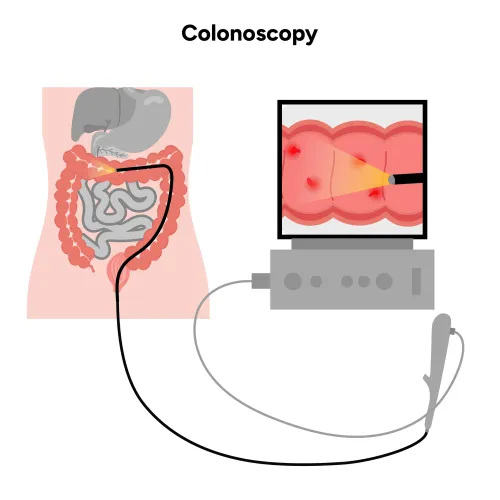
A fecal fat test can document fat malabsorption, while a fecal elastase test assesses pancreatic enzyme output; watery stool can falsely lower elastase. Further investigation can include imaging, endoscopy and small-bowel biopsy. No single test proves or excludes every form of malabsorption.
Dr Pravish Ghurde Gastroenterologist can assess the pattern, select appropriate investigations and interpret results in context for patients in Mulund and nearby areas.
Related service
Malabsorption Syndrome Treatment Malabsorption Syndrome Treatment Dr. Pravish Ghurde offers comprehensive diagnosis and effective treatment for malabsorption syndrome at Platinum Hospital, Mulund, Mumbai. View service → |
Frequently asked questions
Which digestive symptoms suggest malabsorption?
Chronic diarrhoea with bulky, greasy, floating, or difficult-to-flush stools is more suggestive than diarrhoea alone. Weight loss, bloating, and excess gas can also occur.
What nutrient deficiencies can malabsorption cause?
Malabsorption can lead to deficiencies of iron, vitamin B12, folate, calcium, vitamin D, and fat-soluble vitamins A, E, and K.
Which conditions can resemble malabsorption?
Irritable bowel syndrome, inflammatory bowel disease, coeliac disease, chronic infections, pancreatic disorders, lactose intolerance, and some medicines can produce similar symptoms.
When should you seek urgent care for suspected malabsorption?
Seek urgent care for severe dehydration, blood or black stools, severe abdominal pain, persistent vomiting, confusion, fainting, or rapid unexplained weight loss.
How should you prepare for a malabsorption evaluation?
Record stool changes, duration, weight changes, food triggers, medicines, supplements, travel, surgeries, and family history. Bring previous reports and a complete medication list.