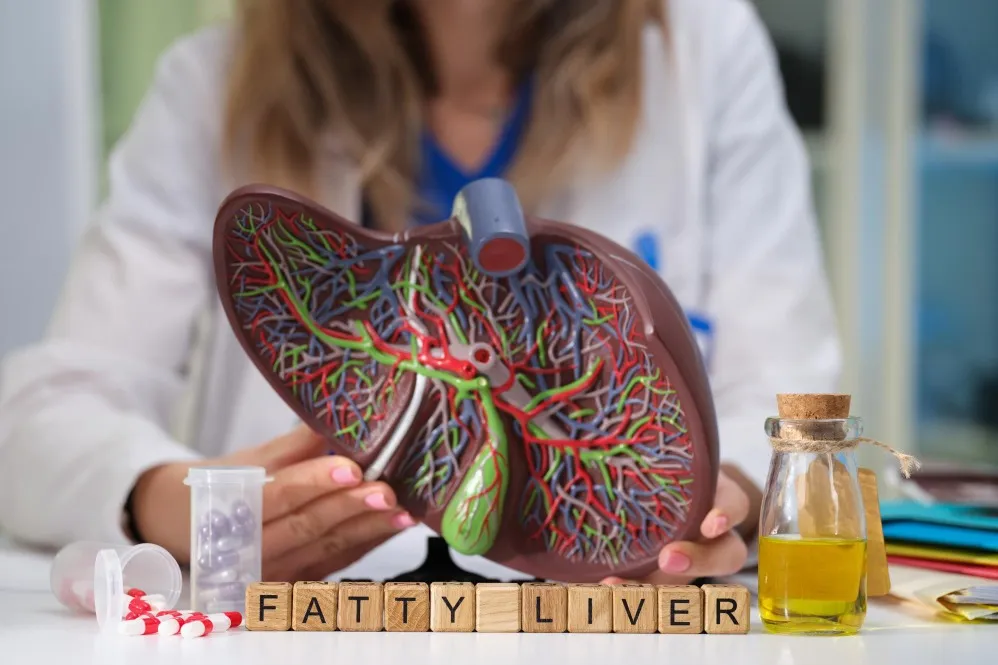
Fatty liver is frequently discovered unexpectedly during an ultrasound performed for abdominal symptoms or a routine health check. Because many people feel completely well, the finding is sometimes ignored. Effective Fatty Liver Disease Treatment, however, begins with understanding why fat has accumulated in the liver and whether there are signs of progressive liver injury.
For patients in Thane, Mumbai, evaluation is particularly relevant when fatty liver occurs alongside diabetes, excess weight, high triglycerides, high blood pressure or other metabolic concerns.
Fatty Liver Is Not Defined by Body Size Alone
A common misconception is that fatty liver affects only people with obesity.
Body weight is an important risk factor, but it is not the only one. People who do not appear significantly overweight can also develop metabolic liver disease.
Assessment therefore needs to consider overall metabolic health rather than appearance alone.
Why Does Fibrosis Matter?
The amount of visible fat is only one part of liver assessment.
Doctors are particularly interested in whether chronic liver injury has resulted in fibrosis, which means scar tissue formation. Advanced fibrosis carries greater long-term clinical significance.
Depending on individual risk, assessment may involve blood-based scores, liver imaging or non-invasive liver stiffness measurement. More specialised investigation is reserved for selected cases.
Lifestyle Changes Need to Be Practical
Patients are sometimes told simply to 'lose weight' without being given a workable strategy.
A more useful approach may address:
- Portion sizes and overall calorie intake
- Excess refined carbohydrates and sugary beverages
- Dietary quality
- Regular physical activity
- Gradual, sustainable weight management where appropriate
- Diabetes management
- Cholesterol and triglyceride control
- Alcohol exposure
Crash diets and unsupervised supplements are not substitutes for a structured medical and metabolic approach.
Be Careful With Liver Detox Products
Products advertised as liver cleanses or detoxification solutions are widely available. 'Natural' does not automatically mean safe for the liver.
Some herbal or nutritional products can interact with medicines or contribute to liver injury.
Patients with abnormal liver tests should therefore tell their doctor about every supplement they use rather than assuming non-prescription products are irrelevant.
Does Every Patient Need Medication?
Treatment depends on the individual's metabolic health, liver findings and associated conditions.
There is no single tablet appropriate for every person with fatty liver. Management may involve addressing obesity, diabetes, lipid abnormalities and other cardiovascular or metabolic risks alongside monitoring liver health.
This is another reason why copying another patient's treatment plan can be inappropriate.
What Should Be Monitored?
Follow-up may involve body weight, metabolic parameters, liver blood tests and selected imaging or fibrosis assessment depending on clinical risk.
The interval between assessments should be individualised rather than determined by a fixed schedule copied from general advice.
Dr Pravish Ghurde Gastroenterologist evaluates fatty liver and other hepatobiliary conditions, helping patients understand whether an incidental ultrasound finding requires metabolic intervention, fibrosis assessment or continued monitoring.
When Should Fatty Liver Be Taken More Seriously?
Patients with persistent liver-test abnormalities, diabetes, significant metabolic risk or findings suggesting fibrosis may require closer assessment.
Symptoms such as jaundice, abdominal swelling or gastrointestinal bleeding require timely medical evaluation and should not be assumed to be routine manifestations of uncomplicated fatty liver.
For people seeking Fatty Liver Disease Treatment in Thane, Maharashtra, the most useful goal is not merely obtaining a 'normal' ultrasound report. Long-term management focuses on reducing relevant metabolic risks and identifying patients who may be vulnerable to progressive liver disease.
Understanding that distinction can turn an incidental scan finding into an opportunity to address broader liver and metabolic health.
Keywords