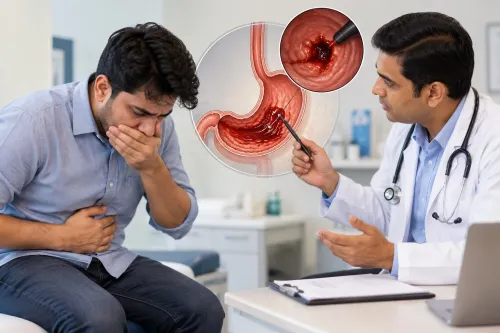
August 2026: Making Gastroparesis #MoreThanInvisible
August marks Gastroparesis Awareness Month, a time dedicated to shedding light on a chronic digestive disorder that affects millions worldwide but remains poorly understood by the general public. For 2026, the International Foundation for Gastrointestinal Disorders (IFFGD) has launched the national campaign theme: "More Than Invisible".
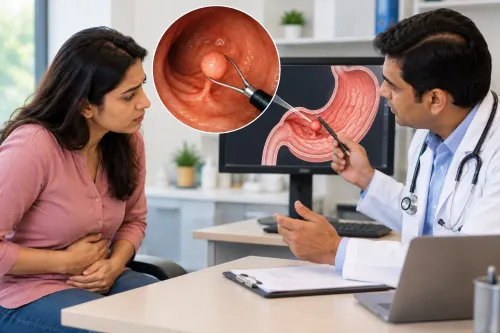
This theme highlights a painful reality for many patients: while they may appear healthy on the outside, they are internally managing a complex, life-altering medical condition every day.
The Reality of a "Silent" Condition
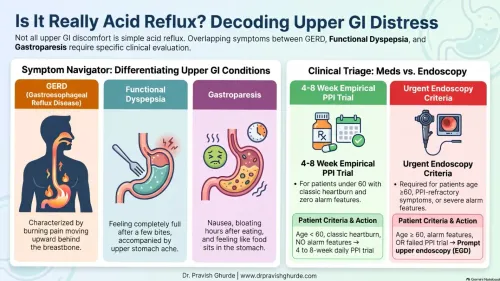
Gastroparesis, often nicknamed "stomach paralysis," occurs when the stomach takes too long to empty its contents despite no physical blockage. Because the primary symptoms—persistent nausea, vomiting, early fullness (satiety), and abdominal bloating—are not visible to others, patients often face years of being misunderstood, misdiagnosed, or isolated.
Living with an invisible illness creates a significant "image gap," where looking healthy while feeling exhausted and malnourished leads to being doubted or dismissed by peers and even healthcare providers.
Improving Visibility Through Precise Diagnosis
A core part of the 2026 awareness effort is educating both patients and clinicians on the 2025 clinical practice guidelines from the American Gastroenterological Association (AGA). Visibility starts with an accurate diagnosis.
Recent data has challenged the efficacy of shorter tests, revealing that 2-hour gastric emptying studies carry a 12% false-negative rate. The new gold standard favors 4-hour testing, which can reclassify 25% of patients who initially showed "normal" emptying at the 2-hour mark as having delayed emptying. For a definitive diagnosis, experts look for at least 20% food retention at the 4-hour mark.
Managing the "Invisible" Burden: Diet and Mental Health
Managing gastroparesis requires more than just medication; it requires a complete lifestyle shift. Because high-fat and high-fiber foods delay emptying further, patients are often placed on a three-phase dietary plan:
• Phase 1: A liquid-only diet for symptom flare-ups.
• Phase 2: A soft diet incorporating small amounts of low-fat and low-fiber foods.
• Phase 3: A long-term maintenance diet involving 4–6 small "mini-meals" per day to ensure constant nutrition without overwhelming the stomach.
Beyond the physical, we must address the mental health toll. Gastroparesis frequently leads to anxiety, depression, and "food fear"—where the act of eating becomes a source of stress rather than pleasure. Recognizing these red flags and establishing a soothing daily routine is an essential part of the healing process.
Hope for the Future: Advanced Treatments
For patients who do not respond to standard medications like metoclopramide or erythromycin, the medical community continues to refine advanced interventions. Gastric peroral endoscopic myotomy (G-POEM) has emerged as a durable option for refractory cases, with a 75% clinical success rate maintained even three years after the procedure. Other options, such as gastric electrical stimulation, offer further hope by using mild electrical pulses to help move food through the stomach more normally.
Join the Movement
This August, we invite you to help us make this condition #MoreThanInvisible. Whether you are a patient, caregiver, or advocate, sharing your story and reliable, evidence-based information can shorten the path to diagnosis for others and build a more compassionate community.
At the office of Dr. Pravish Ghurde, we are committed to providing the specialized care, diagnostic precision, and emotional support needed to navigate life with gastroparesis. Your pain is real, your struggle is seen, and you are not alone.
Keywords