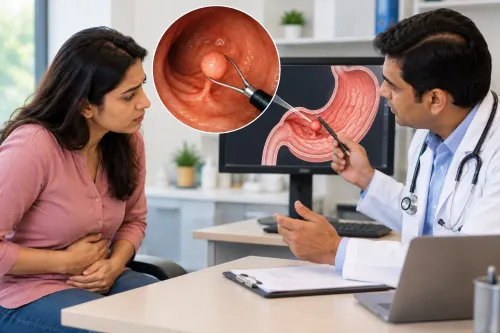
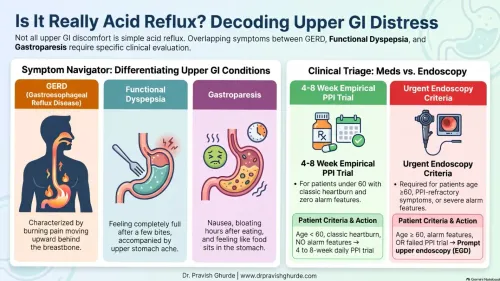
A burning or aching sensation in the upper abdomen is often blamed on gas or acidity. Sometimes, however, persistent upper abdominal discomfort may be associated with an ulcer in the stomach or the first part of the small intestine. A Peptic Ulcer Disease Specialist can evaluate the symptoms, investigate possible causes and determine the appropriate treatment.
For patients in Dombivili, Maharashtra, understanding peptic ulcer disease can also help reduce unnecessary self-medication with painkillers or repeated acidity remedies.
What Is Peptic Ulcer Disease?
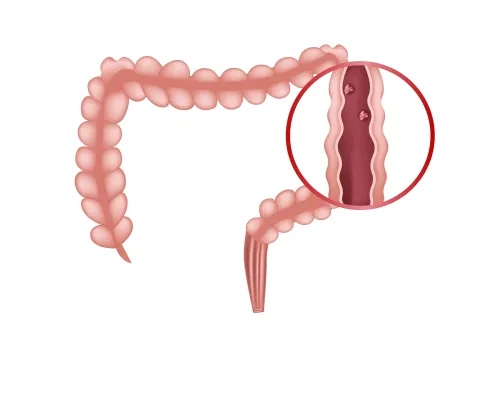
A peptic ulcer is an open sore affecting the lining of the stomach or duodenum.
Two important causes are infection with Helicobacter pylori, commonly called H. pylori, and the use of certain non-steroidal anti-inflammatory drugs or NSAIDs. Other factors can influence symptoms or complications, but spicy food itself is not considered the primary cause of most peptic ulcers.
What Does an Ulcer Feel Like?
Symptoms vary considerably. Some ulcers cause noticeable discomfort while others remain relatively silent until a complication occurs.
Possible symptoms include:
- Burning or aching upper abdominal pain
- Nausea
- Bloating or fullness
- Discomfort related to eating
- Reduced appetite
These symptoms overlap with gastritis, reflux and several other digestive conditions. Symptoms alone therefore cannot reliably confirm an ulcer.
Why Painkiller History Matters
Patients often think only of prescription medicines when discussing their medical history. Over-the-counter painkillers can be equally important.
Regular or frequent use of NSAIDs can increase the risk of stomach and duodenal ulcers, particularly in people with additional risk factors.
During a gastroenterology consultation, patients should mention all medicines they use, including painkillers taken for headaches, arthritis, back pain or other conditions.
H. pylori May Need Testing
H. pylori infection can contribute to ulcer formation. Testing methods may include breath, stool or endoscopic approaches depending on the clinical situation.
When infection is confirmed, treatment generally involves a combination of medicines. Follow-up testing may also be recommended in appropriate circumstances to confirm eradication.
Because antibiotic resistance patterns and previous antibiotic exposure can affect treatment choices, patients should avoid attempting to treat suspected H. pylori infection on their own.
When Is Gastroscopy Useful?
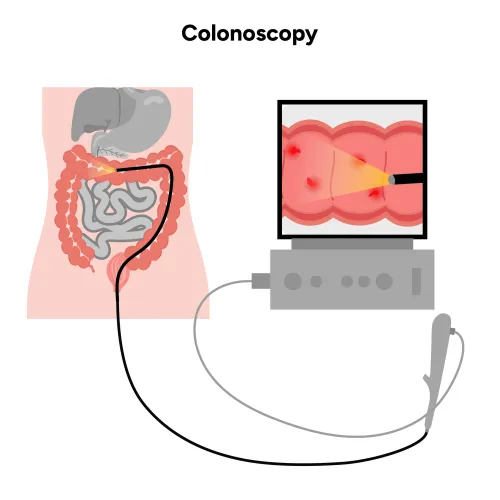
Gastroscopy allows the doctor to inspect the oesophagus, stomach and duodenum using a flexible endoscope.
It may be considered when symptoms are persistent, warning signs are present or direct examination is necessary to establish the diagnosis. During gastroscopy, tissue samples can also be obtained when clinically required.
Dr Pravish Ghurde Gastroenterologist evaluates upper gastrointestinal disorders and determines whether endoscopic assessment is appropriate according to each patient's symptoms and history.
Recognise Signs of Possible Ulcer Complications
An ulcer can sometimes bleed or cause other complications.
Seek prompt medical evaluation for symptoms such as:
- Vomiting blood
- Black, tar-like stools
- Sudden severe abdominal pain
- Dizziness or fainting associated with suspected bleeding
- Persistent vomiting
- Significant unexplained weight loss
These symptoms should not be managed with home remedies alone.
Treatment Depends on the Cause
Peptic ulcer management is not identical for every patient. Treatment may involve acid suppression, H. pylori eradication when infection is present, review of ulcer-related medications and management of contributing factors.
Patients in Mulund should also understand that feeling better does not necessarily answer why the ulcer developed.
Evaluation by a Peptic Ulcer Disease Specialist focuses on both sides of the problem: controlling the ulcer and identifying factors that could contribute to recurrence or complications. That approach is more useful than repeatedly treating upper abdominal pain as ordinary acidity without establishing its cause.
Keywords