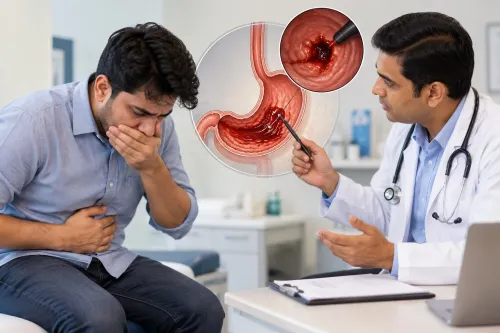
We are living through a historic era in hepatology. After decades of clinical trials and therapeutic limitations, the management landscape for Metabolic Dysfunction-Associated Steatohepatitis (MASH) is rapidly evolving, bringing long-awaited targeted medical therapies to our clinical toolkit.
Yet, as we welcome these groundbreaking pharmacological milestones, a fundamental clinical question arises: Does the advent of novel medications replace the need for traditional lifestyle interventions?
The short answer is no. The true power of modern MASH management lies not in choosing one over the other, but in mastering their clinical synergy.
Here is a breakdown of the current evidence-based reality and how to navigate it in daily practice:
💊 The Medical Milestones: A New Era
The pharmacological landscape has fundamentally shifted. For years, clinicians were forced to rely off label on vitamin E or Pioglitazone, with mixed results. Today, advanced research into metabolic pathways has yielded highly specific, targeted therapies:
• THR-β Agonists: Breakthrough therapeutic agents (such as Resmetirom) are successfully targeting thyroid hormone receptor-beta pathways in the liver to reduce intrahepatic fat accumulation and actively resolve inflammation.
• Incretin-Based Therapies: The massive evolution of GLP-1 receptor agonists and dual GLP-1/GIP receptor agonists has demonstrated profound secondary benefits in reducing hepatic steatosis, resolving MASH, and stabilizing early fibrosis through powerful metabolic regulation.
🥗 The Evidence-Based Reality: Lifestyle Remains Irreplaceable
While these novel therapies are breaking major ground—especially for patients with advanced F2 or F3 fibrosis who require aggressive intervention—lifestyle modification remains the absolute cornerstone of treatment.
The clinical data continues to support a definitive therapeutic rule of thumb:
• The ≥ 5% Threshold: A total body weight reduction of 5% is clinically proven to reduce hepatic steatosis (fat accumulation).
• The 7% to 10% Gold Standard: Achieving a 7% to 10% reduction in total body weight remains the strict, evidence-based threshold required to actively resolve necroinflammation, arrest cellular ballooning, and successfully reverse early-stage hepatic fibrosis.
No medication currently eliminates the necessity of a structured caloric restriction, a Mediterranean-style dietary framework, and regular physical activity. Lifestyle modifications target the overarching systemic insulin resistance, correcting the upstream metabolic dysfunction that medications are designed to manage downstream.
🩺 Practical Counselling Strategies for a Busy Clinic
Translating "eat better and exercise" into actionable, clinical advice within a tight 10-minute patient consultation can be challenging. Here are a few highly sustainable, evidence-based counselling strategies to implement in a busy clinic setting:
1. De-Prescribe the Word "Diet": Instead of imposing restrictive, short-term diets that inevitably lead to weight rebound, focus on sustainable dietary diversity. Counsel patients to start by simply eliminating ultra-processed foods, high-fructose corn syrup, and sugary beverages.
2. Prescribe "Metabolic Minutes": Avoid telling sedentary patients to spend an hour at the gym. Instead, prescribe 150 minutes of moderate-intensity aerobic or resistance exercise per week, broken down into manageable 20-to-30-minute blocks. Focus on building muscle mass, which acts as a primary metabolic sink for disposal of circulating free fatty acids.
3. Establish SMART Weight Targets: Shift the patient's focus away from a distant, overwhelming "ideal" weight. Instead, set an initial, highly achievable target of a 5% to 7% weight reduction over 6 months, explaining the profound, direct impact this small shift has on healing their liver cells.
🤝 The future of MASH management is not a competition between pharmacotherapy and lifestyle; it is a collaborative partnership. Targeted medications provide us with the clinical leverage needed to protect the liver from progressive, structural fibrotic damage, while metabolic fitness and lifestyle modifications permanently repair the underlying cellular engine.
Keywords