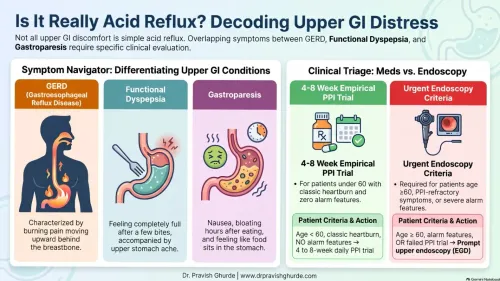
Occasional indigestion after a heavy meal is common. Persistent acidity, unexplained abdominal pain or recurring bowel problems are different. Knowing when to consult a Gastroenterologist can prevent months of repeatedly treating symptoms without understanding why they keep returning.
For patients in Mulund, Mumbai, recognising the difference between a temporary digestive disturbance and a condition requiring specialist assessment is an important first step.
Persistent Acidity Deserves Attention
Heartburn and acid regurgitation are common digestive complaints. They may occur after certain foods, large meals or late-night eating.
When acidity becomes frequent, repeatedly interrupts sleep or requires regular medication for relief, an assessment may be appropriate. Persistent reflux can be associated with gastroesophageal reflux disease and, in selected patients, may require further evaluation.
Abdominal Pain Is a Symptom, Not a Diagnosis
Abdominal pain has numerous possible causes. Its location, duration and relationship with meals or bowel movements provide useful diagnostic clues.
Pain may arise from conditions affecting the stomach, intestines, gallbladder, pancreas, liver or other abdominal organs. This is why repeatedly taking pain-relieving or acidity medicines without determining the cause may not address the actual problem.
A specialist consultation considers associated symptoms such as fever, vomiting, bloating, diarrhoea, constipation, weight loss or jaundice.
Changes in Bowel Habits Should Not Always Be Dismissed
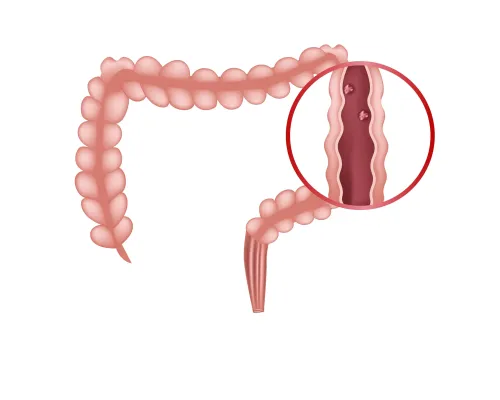
Bowel habits naturally vary between individuals. A persistent change from a person's usual pattern deserves attention, particularly when accompanied by other symptoms.
Examples include:
- Persistent diarrhoea
- New or worsening constipation
- Blood in the stool
- Black or tar-like stools
- Recurrent urgency
- Abdominal cramps with bowel movements
- Unexplained weight loss
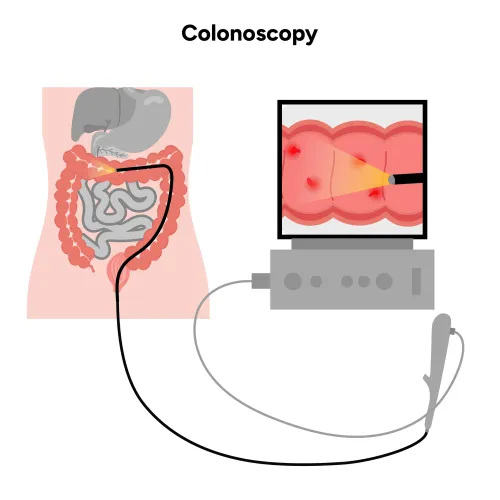
Depending on the clinical picture, the doctor may recommend blood tests, stool analysis, imaging or colonoscopy.
Swallowing Problems Need Proper Assessment
Difficulty swallowing can occur when food feels delayed or stuck after swallowing. Some people also experience pain, coughing, regurgitation or discomfort behind the breastbone.
Persistent or progressive swallowing difficulty should not be treated as ordinary acidity without evaluation. Depending on the symptoms, gastroscopy may be considered to examine the oesophagus and stomach.
Liver-Related Symptoms May Be Subtle
Not every liver condition produces obvious symptoms in its early stages. Fatty liver, for example, may be discovered during an ultrasound performed for another reason.
Other findings that can lead to specialist evaluation include abnormal liver enzymes, jaundice, abdominal swelling or unexplained changes identified on imaging.
A gastroenterologist with hepatology experience can interpret these findings in the context of weight, metabolic health, medications, alcohol exposure and other relevant factors.
What Happens During a Gastroenterology Consultation?
The first consultation usually focuses on understanding the complete clinical picture. Patients may be asked about when symptoms began, what makes them better or worse, previous treatment, medications, diet, family history and previous investigations.
Dr Pravish Ghurde Gastroenterologist evaluates gastrointestinal and hepatobiliary conditions and can determine whether investigations such as gastroscopy, colonoscopy or specialised procedures are clinically appropriate.
Bringing previous reports, scans, prescriptions and a current medication list can make the consultation more informative.
Symptoms That Should Not Be Delayed
Prompt medical assessment is particularly important for severe abdominal pain, vomiting blood, black stools, significant rectal bleeding, jaundice, persistent vomiting, progressive swallowing difficulty or unexplained weight loss.
People in Mulund and nearby Mumbai suburbs have access to specialised gastrointestinal care without needing to consider every digestive symptom an emergency. The key is recognising persistence, recurrence and warning signs.
A Gastroenterologist can help move the conversation from temporary symptom relief toward identifying the underlying digestive, liver, pancreatic or biliary condition and planning appropriate management.
Keywords