Colorectal cancer is one of the most important gastrointestinal cancers worldwide. However, the good news is that many cases can be prevented or detected at an early stage through appropriate screening and timely medical intervention.
One of the most effective tools in colorectal cancer prevention is colonoscopy—a procedure that allows gastroenterologists to examine the inner lining of the colon and rectum, identify suspicious lesions, and remove precancerous polyps before they develop into cancer.
What Is Colorectal Cancer?
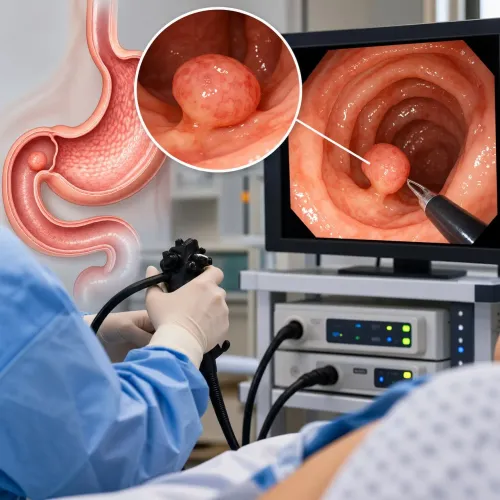
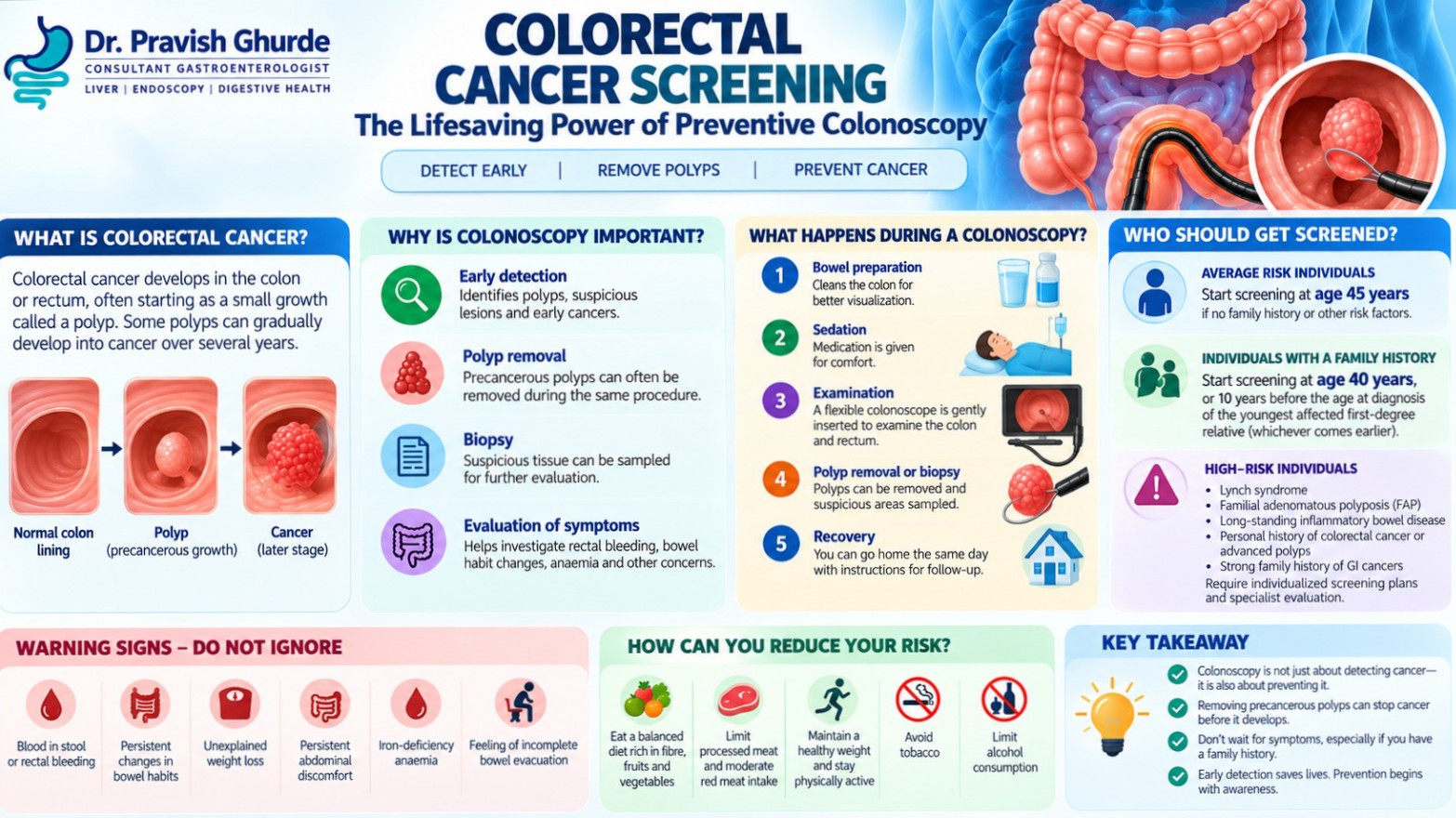
Colorectal cancer develops in the colon (large intestine) or rectum. In many cases, it begins as a small growth called a polyp.
Some polyps, particularly adenomatous and certain serrated polyps, can gradually develop into cancer over several years. Identifying and removing these lesions at an appropriate stage can significantly reduce the risk of colorectal cancer.
Why Is Colonoscopy Important?
Colonoscopy is more than a diagnostic procedure. It is also a preventive intervention.
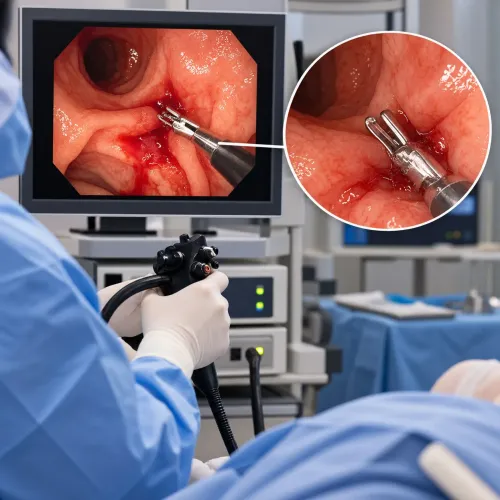
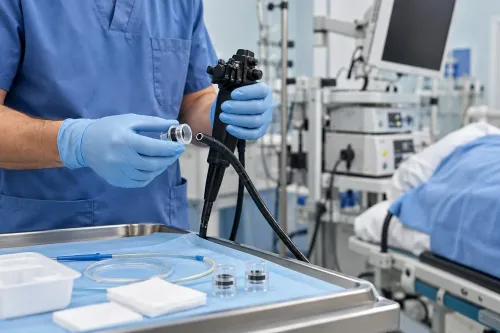
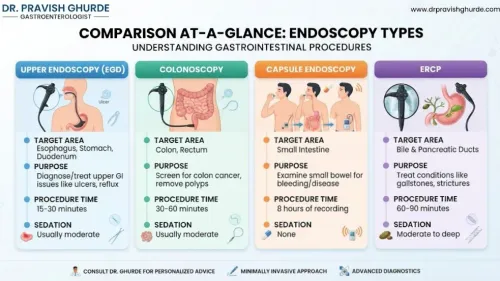
During the procedure, a gastroenterologist uses a flexible instrument equipped with a camera to examine the entire colon.
Colonoscopy offers several important benefits
1. Early detection: Identifies suspicious growths, polyps and early-stage cancers.
2. Polyp removal: Precancerous polyps can often be removed during the same procedure.
3. Biopsy: Suspicious tissue can be sampled for histopathological examination.
4. Evaluation of symptoms: Helps investigate rectal bleeding, persistent changes in bowel habits, unexplained anaemia and other concerning symptoms.
When Should You Start Colorectal Cancer Screening?
The appropriate age for screening depends on individual risk factors, family history and applicable clinical guidelines.
1. Individuals at average risk:
For asymptomatic individuals without a personal or family history of colorectal cancer or other significant risk factors, screening is generally considered from age 45 in several international guidelines.
Screening options may include:
- Faecal immunochemical test (FIT).
- Faecal occult blood testing (FOBT).
- Colonoscopy, depending on individual risk and clinical recommendations.
A positive stool-based screening test requires timely follow-up colonoscopy.
2. Individuals with a family history of colorectal cancer:
People with a first-degree relative (parent, sibling or child) diagnosed with colorectal cancer or an advanced colorectal polyp may require earlier and more intensive screening.
A commonly recommended approach is to begin screening at:
- Age 40 years, OR
- 10 years before the age at diagnosis of the youngest affected first-degree relative,
whichever comes earlier.
The recommended screening interval may be shorter, particularly when a close relative was diagnosed before age 60 or multiple first-degree relatives are affected.
3. Individuals at particularly high risk:
Some individuals require specialized screening and surveillance strategies, including those with:
- Lynch syndrome.
- Familial adenomatous polyposis (FAP).
- Long-standing inflammatory bowel disease involving the colon.
- A personal history of colorectal cancer or advanced colorectal polyps.
- A strong family history suggestive of hereditary cancer syndromes.
Such individuals should undergo individualized risk assessment, and genetic counselling may be appropriate.
Warning Signs You Should Never Ignore:
Although screening is intended for people without symptoms, certain warning signs require medical evaluation rather than waiting for a routine screening appointment.
Watch out for:
- Blood in the stool or rectal bleeding.
- Persistent changes in bowel habits.
- Unexplained weight loss.
- Persistent abdominal discomfort.
- Iron-deficiency anaemia without an obvious cause.
- A persistent feeling of incomplete bowel evacuation.
These symptoms do not necessarily indicate cancer, but they should not be ignored.
Can Colorectal Cancer Really Be Prevented?
While no preventive strategy eliminates cancer risk completely, certain lifestyle modifications can support colorectal health.
- Consume a balanced diet rich in vegetables, fruits and dietary fibre.
- Limit processed meat and moderate red meat consumption.
- Maintain a healthy body weight.
- Engage in regular physical activity.
- Avoid tobacco.
- Limit alcohol consumption.
- Follow appropriate screening recommendations.
Colonoscopy is not just about detecting cancer—it is also about preventing it.
Early detection saves lives. Prevention begins with awareness.
Consult a Gastroenterologist
If you have a family history of colorectal cancer, persistent gastrointestinal symptoms or concerns about your screening eligibility, consult a gastroenterologist for an individualized assessment.
Dr. Pravish Ghurde
Consultant Gastroenterologist
🌐 www.drpravishghurde.com
Disclaimer: This article is intended for general health education and does not replace professional medical consultation. Screening recommendations and intervals vary according to individual risk, clinical history and applicable guidelines.
Keywords